What is Minimum Ignition Energy (MIE) in Process Safety?
Minimum Ignition Energy (MIE) is the smallest spark needed to ignite flammable substances. Learn its role in preventing fires and explosions in process industries.
View MoreMinimum Ignition Energy (MIE) is the smallest spark needed to ignite flammable substances. Learn its role in preventing fires and explosions in process industries.
View MoreA detailed overview of Layers of Protection Analysis (LOPA) in process safety, explaining different safety layers used to reduce industrial risks and prevent major accidents.
View MoreElectrical area classification is essential for industrial safety in hazardous environments. This guide explains zone classification (0/1/2 & 20/21/22), international and Indian standards, and how to select the right equipment to prevent explosions and ensure compliance.
View MoreLearn the most effective risk assessment methods used in industries to identify hazards, reduce workplace accidents, and ensure safety compliance. This complete guide helps businesses improve safety performance and operational efficiency.
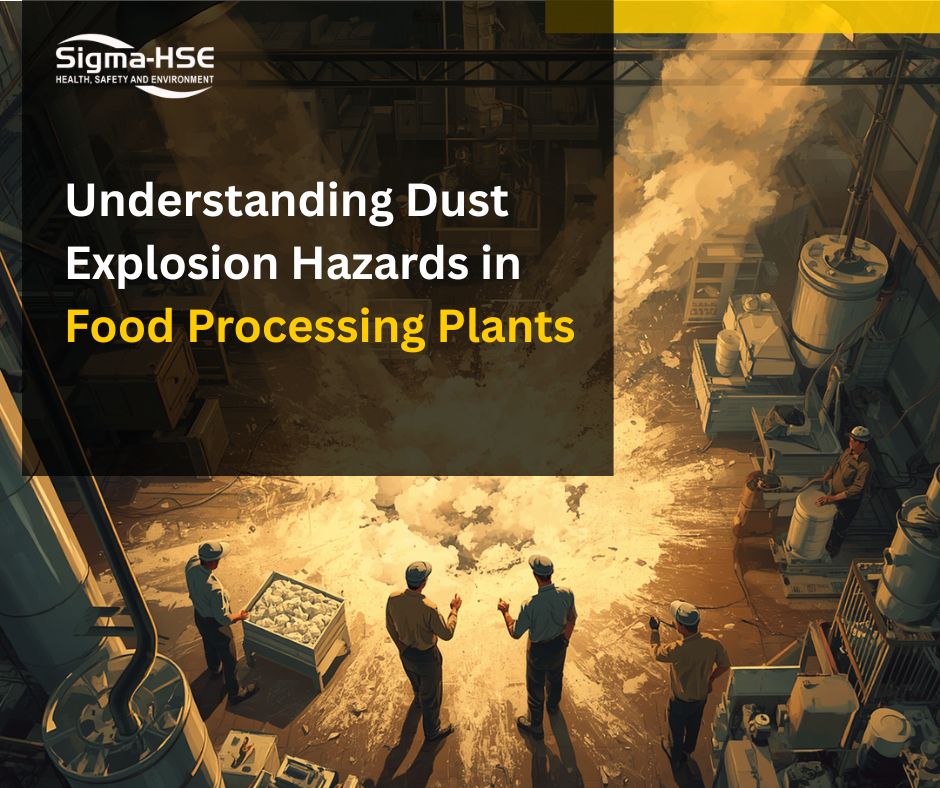
View MoreCombustible dust hazards are a major risk in industrial environments. This guide explains how dust explosions occur, key risks, and effective prevention methods to improve safety.
View MoreA Process Safety Audit Checklist helps industries identify potential hazards, improve safety management systems, and ensure compliance with safety regulations. This guide explains the key elements of a process safety audit, including risk assessment, mechanical integrity, emergency preparedness, and regulatory compliance.
View MoreHazardous Area Classification is an essential process used in industries to identify locations where flammable gases, vapors, or combustible dust may create explosion risks. This guide explains hazardous zones, classification methods, safety standards, and the importance of proper risk assessment to ensure safe industrial operations.
View MoreLearn how to conduct Hazardous Area Classification for oil & gas plants, including zone mapping (Zone 0, 1, 2), risk evaluation, IEC/ATEX compliance, and explosion protection best practices.
View MoreFailing a fire safety audit can lead to heavy penalties, legal action, and even business shutdown. Learn the common reasons companies fail fire audits and the corrective steps needed to ensure full compliance and avoid costly risks.
View MoreSafety audit services help industries identify workplace hazards, ensure legal compliance, and prevent accidents. This guide explains types of safety audits, their process, and why they are essential for industrial safety.
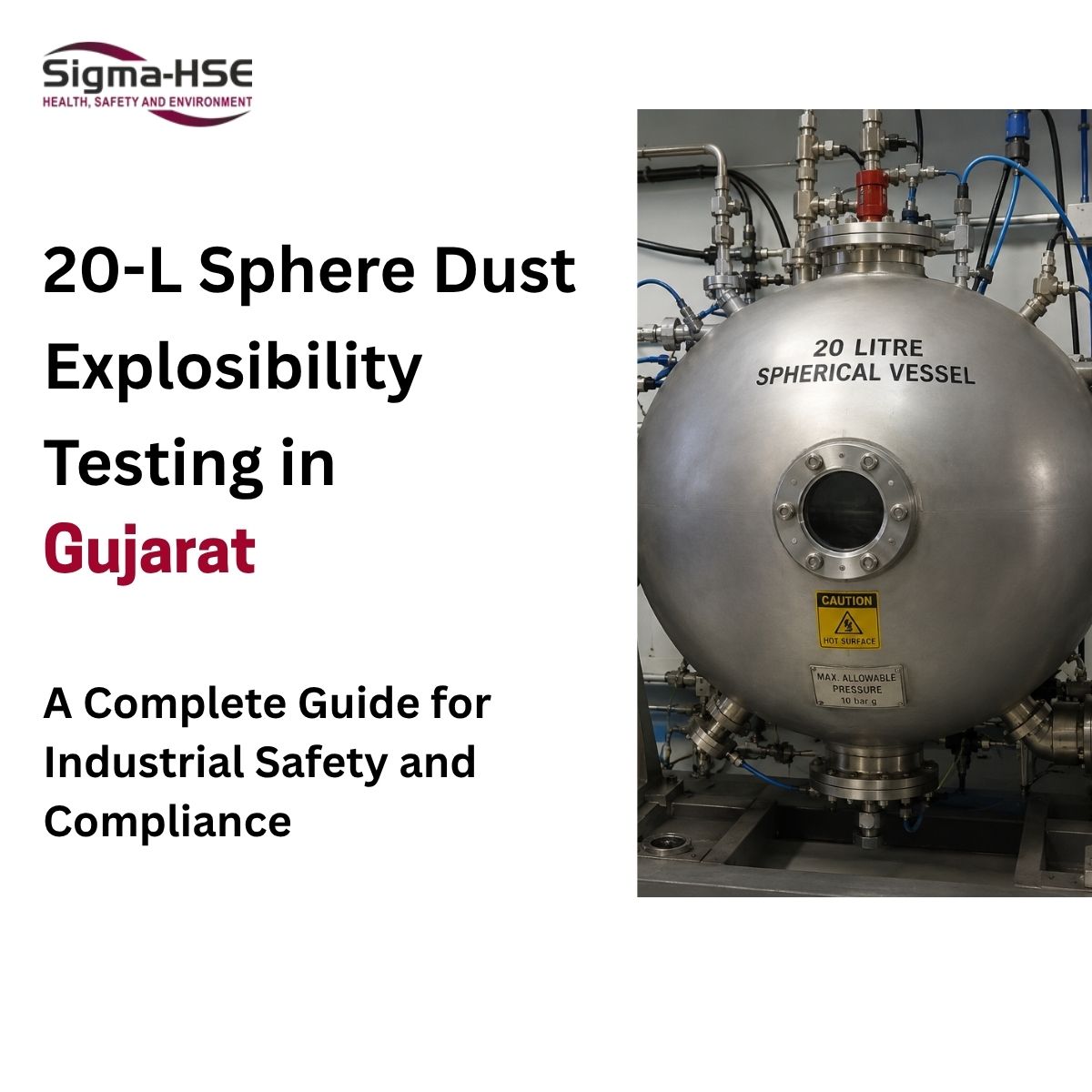
View MoreLearn why combustible dust testing is critical for manufacturers. Understand explosion risks, key tests like Kst & MIE, and ensure process safety compliance with Sigma HSE.
View MoreDiscover the most common myths about process safety testing and the real facts behind them. Improve safety, compliance, and reliability with expert insights from Sigma HSE.
View MoreDiscover the top 5 process safety testing methods to prevent industrial accidents. Improve plant safety with expert risk analysis, ignition testing, and compliance insights.
View MoreExplore how AI, IoT, and digital monitoring are transforming process safety management. Learn how real-time data, predictive analytics, and smart sensors are shaping safer, more efficient industrial operations.
View MoreEnsure your workplace meets safety compliance standards with Sigma HSE’s expert audits, risk assessments, and process safety solutions. Learn how our proactive approach helps prevent incidents and ensures regulatory compliance.
View More© 2024 Sigma-HSE (India) Pvt Ltd | Registered in India No. U93000DL2014PTC266010 | Designed By WebClixs